Measuring event and activation ROI
A practical framework for setting event objectives, choosing meaningful metrics and reporting results to leadership.
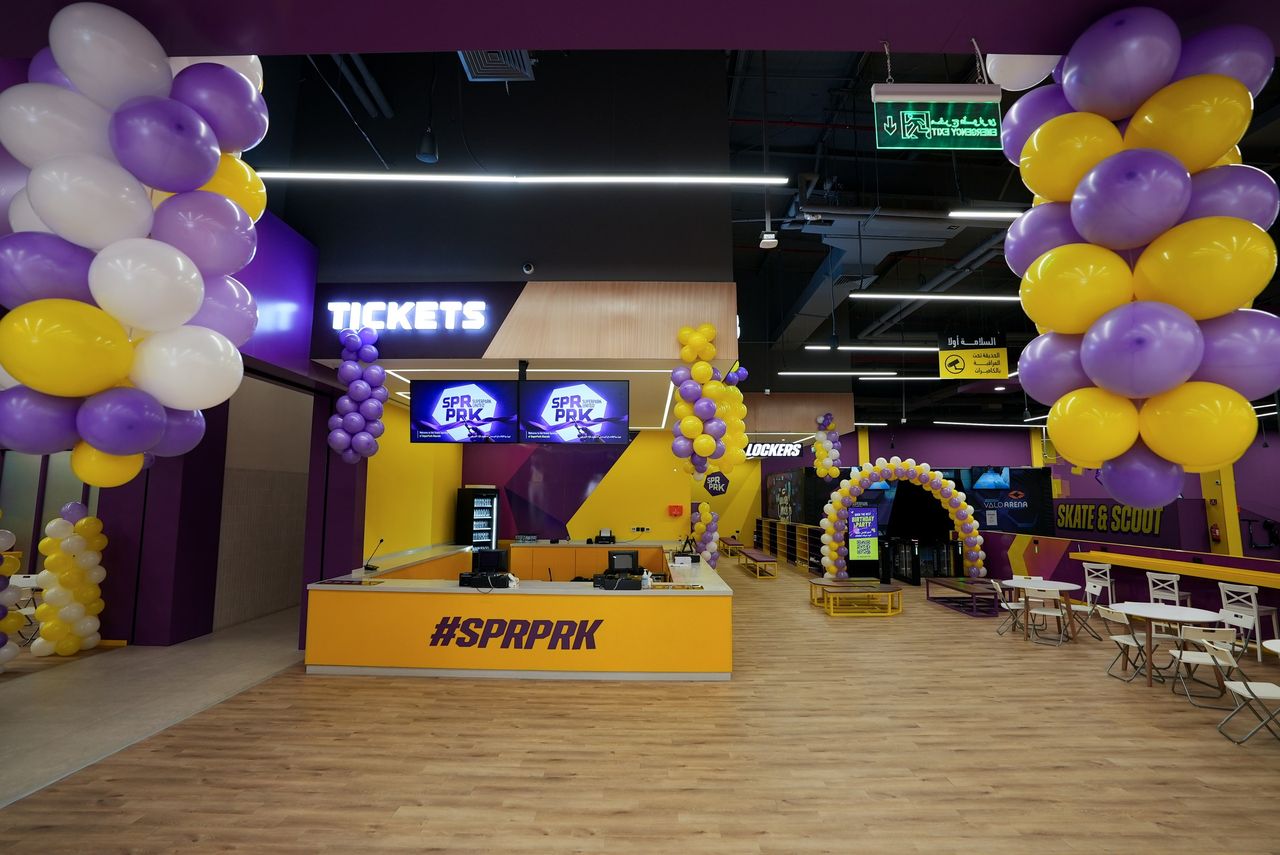
SuperPark Khurais, RiyadhPhotographed on From our work: SuperPark Khurais launch
In short
Measure performance against the event's objective. Agree relevant metrics and a baseline before launch where possible. Calculate financial ROI only when attributable financial returns and costs can be established.
Key points
- Set a clear objective and measurable success criteria where appropriate.
- Match the measure to the objective: counts for attendance, before and after sampling for perception, consented contacts for audience building.
- Agree a suitable baseline before launch where possible.
- Record qualitative outcomes separately from numerical results.
- Report the result, source, period and method clearly.
A strong event report connects the original ambition to the outcomes. Attendance, perception, audience growth and revenue are different measures; choose the ones that answer your business question.
Start with the objective
A broad ambition such as brand presence can become a specific objective, for example growing a consented family audience by 5,000 contacts.
Agree success criteria before design begins so that the event and its measurement plan support the same goal.
Match the metric to the objective
Use counts and registration scans for attendance, before-and-after research for perception, and consented, reachable contacts for audience development.
For commercial objectives, agree an attribution window and use CRM data to assess the event’s contribution. For content, track reach, views, engagement and reuse. Financial ROI is a separate calculation: attributable financial gain minus investment cost, divided by investment cost, expressed as a percentage. Do not treat reach or media value as revenue.
Agree the baseline before launch
Compare results with a relevant baseline, such as a previous season, a venue average or a control period. Agree the comparison before launch where possible.
If a baseline is established retrospectively, describe its limitations so the comparison is interpreted appropriately.
Capture qualitative value
Some valuable outcomes are difficult to attribute or quantify, such as a new relationship formed during an event.
Record these observations alongside measurable results and distinguish the two.
The reporting standard worth adopting
A concise report should include the objective, relevant results, measurement method, sources, periods and material limitations. End with a recommendation for the next step.
This gives stakeholders a clear basis for evaluating the experience and planning future investment.
Questions and answers
How do you measure the ROI of an event?
Define the objective, measure relevant outcomes and establish a comparison where possible. For financial ROI, use attributable financial gain and the total investment cost. Report other performance indicators separately.
What is a good metric for a brand activation?
The one that matches the objective: footfall and registration scans for attendance, sampling before and after for perception, consented and reachable contacts for audience building, and CRM attribution with an agreed window for sales.
Can everything about an event be measured?
Not everything can be quantified or attributed reliably. Record meaningful qualitative observations separately from measured outcomes.
What should an event report contain?
The objective, results, sources, periods, method, material limitations and recommended next steps.